SBA acquisition loan path
Usually fits when the buyer has cash down, the business has stable cash flow, and the purchase price needs a longer amortization schedule.
SMB Market Deals helps you organize the basics lenders ask for first: target loan amount, cash down, deal context, market, and timeline.
Start with the basics before you apply. This is not a loan application, commitment, or credit decision.
Tell us the target amount, available down payment, market, industry, and timeline.
Use calculator outputs like DSCR, payback period, and seller financing to make lender conversations more concrete.
We organize your notes around the questions lenders usually ask first: cash down, deal cash flow, buyer experience, and timing.
Add the target loan amount and cash down so you can see which funding path is most realistic.
Use the calculator and market scout to bring cash down, DSCR, seller financing, local demand, and buyer context into one cleaner funding profile.
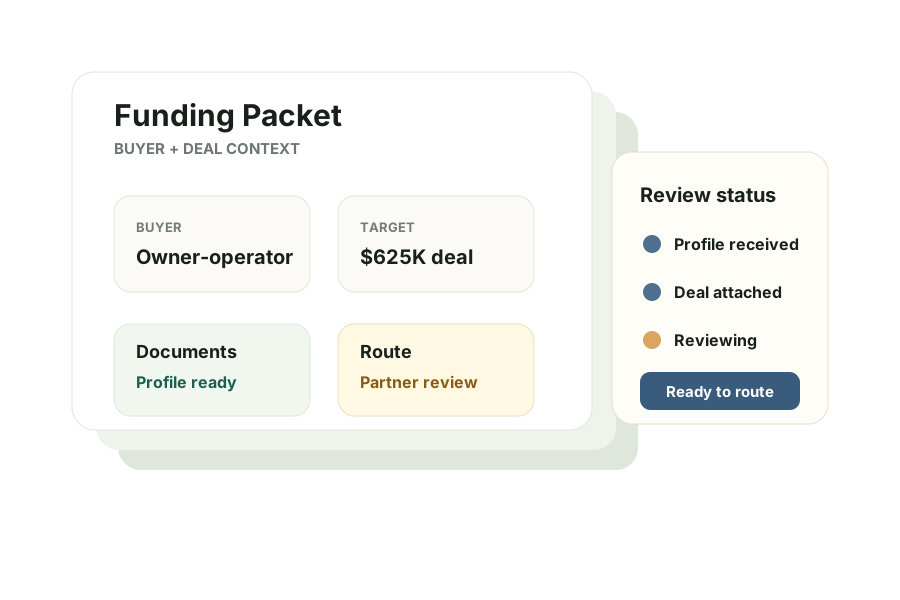
Most first-time buyers do not need every lender at once. They need the right questions, the right documents, and a funding path that fits the size and structure of the acquisition.
Usually fits when the buyer has cash down, the business has stable cash flow, and the purchase price needs a longer amortization schedule.
Useful for smaller acquisitions where seller financing reduces risk and the buyer needs less bank capital.
Helpful when the target looks interesting but cash down, reserves, or credit profile may block lender conversations.
Some links may be affiliate links. We may earn a referral fee if you apply through a partner. Partners make their own eligibility, underwriting, pricing, and approval decisions.
Good first stop for buyers comparing small business funding options before choosing a lender path.
Potential fit for SBA 7(a), acquisition financing, working capital, equipment, and real estate-backed funding conversations.
Potential fit for working capital and equipment financing once partner access is approved.
How much cash you can put down, whether seller financing exists, and your personal financial strength.
DSCR, payback period, cash-flow multiple, and whether the business has enough cash flow after debt service.
Why this location and category make sense, including competition, local demand, and downside risks.